

Caring for Those Who Feed Us: Why Farmer Health Matters More Than Ever
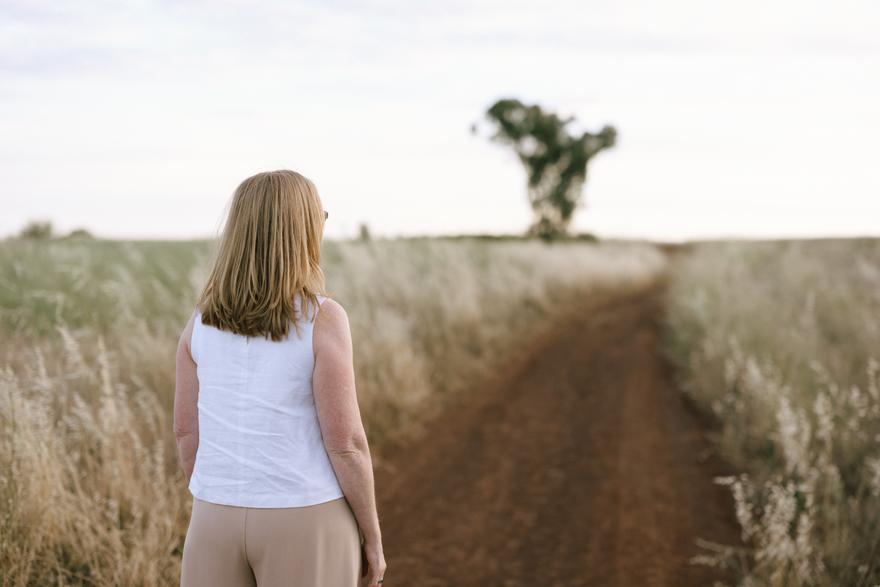
I come from a farming family. I have lived the realities of rural life, not just professionally, but personally. I have seen the pride, resilience, and deep commitment that farmers bring to their land and families. I have also witnessed the health hardships that can quietly unfold over years, and the ripple effect they create across entire families when wellbeing is pushed aside for too long.
In farming households, there is often an unspoken rule. You keep going. You get on with the job. The farm, the stock, the season, and the finances come first. Health is something you deal with later, when things settle down. Except, in farming, things rarely do.
I have seen what happens when chronic stress, physical exhaustion, and environmental exposure accumulate over time. It does not just affect the individual farmer. It impacts partners who carry the emotional load, children who grow up around constant pressure, and families who adapt around declining energy, mood changes, or long-term illness. The cost is not only physical. It is emotional, relational, and generational.
Farmers face unique health risks that are often invisible from the outside. Long hours, physically demanding work, disrupted sleep, isolation, financial uncertainty, and repeated exposure to agricultural chemicals all contribute to an increased long-term burden on the body. These pressures rarely appear as a single issue. Instead, they show up gradually as persistent fatigue, pain, digestive issues, mood changes, poor sleep, or a sense of being worn down.
Mental health deserves particular attention. Farming families carry enormous responsibility with limited margin for error. Droughts, floods, fires, rising costs, and market volatility are not abstract stressors. They are lived realities. Working alone for long stretches, often far from services, compounds this load. Yet many farmers are far more comfortable supporting others than asking for help themselves.
What concerns me deeply is how normalised this has become. Struggling is often seen as part of the job. Pushing through is worn as a badge of honour. But over time, this approach increases the risk of chronic disease and deepens mental health strain. When one person in a farming family becomes unwell, the entire system feels it.
Reducing chronic disease risk and mental health burden does not require farmers to become someone they are not. It does not require unrealistic expectations or perfect routines. It begins with recognising that health is not separate from the farm. It is foundational to it.
Naturopathic care looks at the whole picture. The person, the environment, the workload, the season of life, and the family system around them. It values early awareness, preventative support, and practical strategies that fit real rural life. Nourishment that works during busy seasons. Rest and recovery that are realistic, not indulgent. Support that meets people where they are, without judgement.
Healthy farms depend on healthy people. Farming families deserve the same level of care, planning, and foresight that is given to soil health, machinery, and livestock. Looking after your health is not stepping away from your responsibility. It is what protects your capacity to keep going, and what safeguards the wellbeing of those who walk beside you.
This matters to me because I have seen both sides. I have seen the hardship, and I have seen what is possible when care is brought in earlier, with compassion and understanding. Farmers and farming families deserve support that honours their reality, strengthens their resilience, and helps ensure that the people who feed this country are not quietly sacrificed in the process.

0 comments
Leave a comment
Please log in or register to post a comment